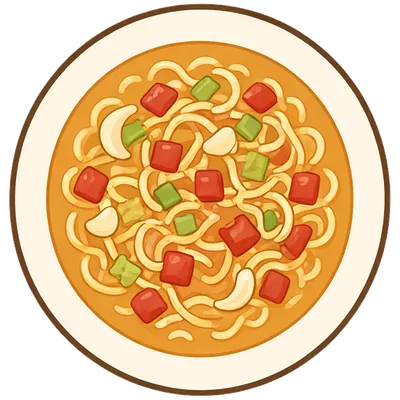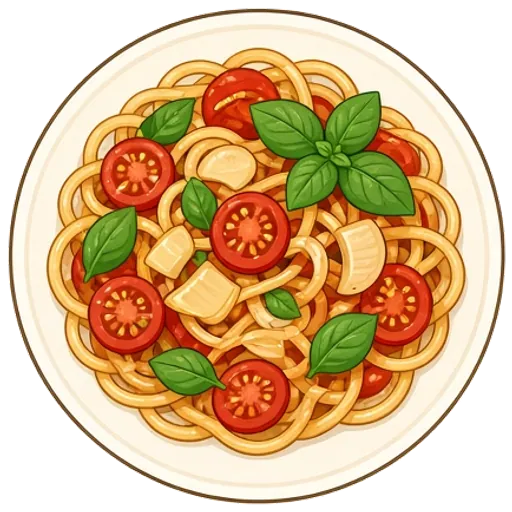
One-pot tomato basil pasta
Everything goes into one pot, dry pasta included, and the starchy water turns itself into a silky tomato sauce.
- 30 min total
- 20 min hands-on
- Anyone can make this
- Serves 4
- About $2.36 a serving
- 440 calories
- Vegan
- Dairy-free

Dolly says: I’d make this on a weeknight. It’s on the table in 30 minutes.
Ingredients
For 4 servings.
- 10 oz cherry tomatoes, halved
- 1 yellow onion, small, thinly sliced
- 4 cloves garlic, thinly sliced
- 1 cup fresh basil, leaves, divided
- 12 oz spaghetti
From your pantry
- ¼ tsp red pepper flakes
- 3 tbsp olive oil, plus more for serving
- 1½ tsp salt
- ¼ tsp black pepper
- 4½ cups water
Each serving has about 440 calories, 13 g protein, 72 g carbs and 12 g fat, and costs about $2.36 at typical US grocery prices. Both are estimates from what the recipe uses.
Missing something?
- No yellow onions? White onions or red onions work.
- No spaghetti? Fettuccine works.
Steps
Tap an underlined word for a quick explanation.
the cherry tomatoes, the onion and garlic, and pick the basil leaves off their stems.
Halve. Halving means cutting something into two equal pieces. Even halves cook at the same speed, so one doesn’t dry out while the other finishes.
How you’ll know: The two pieces look like mirror images of each other.
Thinly slice. Thinly slicing means cutting slices about an eighth of an inch thick, roughly two coins stacked. Thin slices cook in seconds and soften fast, which quick dishes need.
How you’ll know: A slice bends a little when you hold it by one edge, and slow, steady cuts beat fast ones.
Lay the spaghetti in a large, wide pot or a deep 12-inch , breaking it in half if it won’t lie flat.
Skillet. A skillet is a frying pan: wide and flat with low, sloped sides. The shape lets steam escape, so food browns instead of stewing.
How you’ll know: It’s the pan you’d fry an egg in, and a 10 or 12 inch one handles most recipes.
Add the tomatoes, onion, garlic, half the basil, red pepper flakes, olive oil, salt and pepper. Pour in the water and over high heat.
Bring to a boil. It means heating a liquid on high until it’s fully boiling before you move on. A lid on the pot gets it there faster, which makes it a good moment to chop something.
How you’ll know: Big bubbles break all over the surface, and they keep coming when you lift the lid.
High heat
to medium and keep it at a strong , stirring and flipping the pasta every minute or so, until and most of the water is gone, 9 to 11 minutes.
Reduce the heat. It means turning the burner down, usually to medium-low or low, so food cooks gently instead of hard. Electric burners cool slowly, so lift the pan off for a moment if it’s bubbling hard.
How you’ll know: Within a minute the bubbling calms to a gentle simmer, or the sizzle turns quiet.
Simmer. Simmering means keeping a liquid just below a boil, with small bubbles rising gently. It cooks food evenly and lets a sauce thicken without scorching on the bottom.
How you’ll know: Small, lazy bubbles break the surface every second or so, and nothing is churning.
Al dente. Al dente is Italian for “to the tooth”: pasta cooked until tender but with a slight firm bite in the center. It holds up in sauce and keeps softening a little after you drain it.
How you’ll know: Bite a piece a minute before the package time: tender, with a slight firm bite in the middle and no crunch.
Medium heatTimer: 10 min
 Dolly’s tip: It wants to clump at first, so keep it moving. It’s done when a few spoonfuls of sauce are left in the bottom, not a dry pot.
Take the pot off the heat and in the rest of the basil. with more salt .
Toss. Tossing means gently lifting and turning food so everything gets coated, like pasta in sauce or vegetables in oil. It coats every piece evenly without mashing anything.
How you’ll know: Every piece looks glossy or evenly coated, with no dry spots hiding underneath.
Season. Seasoning means adding salt, pepper or spices to bring out a food’s flavor. A little at a few stages tastes better than a lot all at the end.
How you’ll know: When you taste it, it tastes bright and like itself, not flat and not salty.
To taste. To taste means there’s no exact amount: add a little, taste, and add more if it needs it. You’re the judge, and it’s easy to add more but hard to take any out.
How you’ll know: Each taste gets a little better, and you stop when it tastes good to you.
Twirl into bowls and with a little more olive oil.
Drizzle. Drizzling means pouring a thin, slow stream over the top of something. A thin stream spreads a little flavor a long way.
How you’ll know: You see thin lines across the food, not a puddle collecting underneath.

Plan this in Dollop, and get the grocery list
Dollop puts this dinner on a night that suits your week, lists only what you still need to buy, and walks you through each step while you cook.