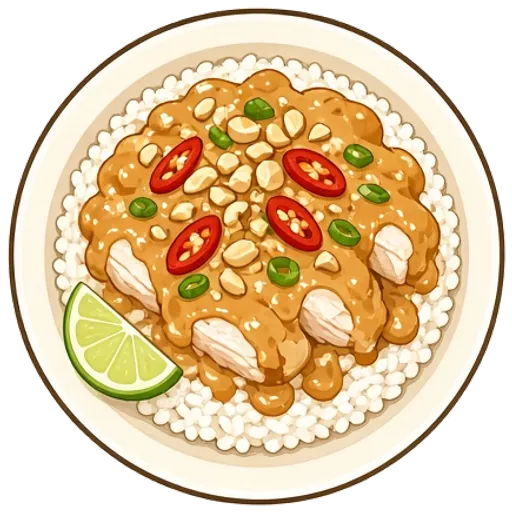
Peanut chicken rice bowls
Juicy chicken in a creamy lime-peanut sauce with crunchy purple cabbage and carrots, the bowl you’ll want to make on repeat.
- 30 min total
- 30 min hands-on
- Follow-a-recipe easy
- Serves 4
- About $3.53 a serving
- 600 calories
- Good the next day
- Gluten-free
- Dairy-free

Dolly says: Make the full amount. It’s just as good for lunch the next day.
Ingredients
For 4 servings.
- ¼ cup peanut butter, creamy
- 3 tbsp gluten-free tamari
- 1 lime, juiced
- 1 tbsp honey
- 1 tsp sriracha
- 2 cups red cabbage
- 1 red bell pepper
- 2 cloves garlic
- 1½ lb chicken breasts, cut into 1-inch pieces
- 2 packages microwave rice pouches, 8.8 oz pouches
- 1 cup shredded carrots
- ¼ cup cilantro, chopped (optional)
- ¼ cup peanuts, chopped (optional)
From your pantry
- 3 tbsp water, hot
- ½ tsp salt
- 1 tbsp vegetable oil
Each serving has about 600 calories, 49 g protein, 60 g carbs and 19 g fat, and costs about $3.53 at typical US grocery prices. Both are estimates from what the recipe uses.
Missing something?
- No gluten-free tamari? Soy sauce works.
- No limes? Lemons work.
- No honey? Maple syrup works.
- No sriracha? Hot sauce works.
- No red cabbage? Green cabbage or coleslaw mix works.
- No red bell peppers? Yellow bell peppers work.
- No chicken breasts? Boneless chicken thighs or chicken tenderloins work.
- No shredded carrots? Carrots work.
- No cilantro? Fresh parsley works.
- No peanuts? Cashews work.
Steps
Tap an underlined word for a quick explanation.
the peanut butter, tamari, lime juice, honey, sriracha and hot water in a bowl until smooth and pourable.
Whisk. Whisking means beating quickly with a whisk or a fork to blend things together. It smooths out lumps and mixes eggs, oil or sauces evenly.
How you’ll know: It all looks one even color and texture, with no streaks or lumps.
 Dolly’s tip: It looks clumpy and broken at first. Keep whisking and it turns smooth; add a spoonful more water if it’s too thick.
the cabbage and bell pepper, and the garlic.
Thinly slice. Thinly slicing means cutting slices about an eighth of an inch thick, roughly two coins stacked. Thin slices cook in seconds and soften fast, which quick dishes need.
How you’ll know: A slice bends a little when you hold it by one edge, and slow, steady cuts beat fast ones.
Mince. Mincing means chopping something into the tiniest pieces you can, smaller than a grain of rice. Tiny pieces melt into the dish, so you get the flavor without biting into a chunk of garlic.
How you’ll know: Every piece is tiny and about the same size, and the pile starts to look almost like a paste.
the chicken pieces dry and them with the salt.
Pat dry. Patting dry means pressing paper towels onto food to soak up the moisture on its surface. Wet food steams instead of browning, so this is how you get a good sear and crisp skin.
How you’ll know: The surface feels tacky, not wet, and the last paper towel comes away barely damp.
Season. Seasoning means adding salt, pepper or spices to bring out a food’s flavor. A little at a few stages tastes better than a lot all at the end.
How you’ll know: When you taste it, it tastes bright and like itself, not flat and not salty.
Heat the oil in a large over medium-high heat until it , then add the chicken in a single layer.
Skillet. A skillet is a frying pan: wide and flat with low, sloped sides. The shape lets steam escape, so food browns instead of stewing.
How you’ll know: It’s the pan you’d fry an egg in, and a 10 or 12 inch one handles most recipes.
Shimmering oil. Oil shimmers when it’s hot enough to cook: its surface looks rippled and wavy, like heat over a road. That’s your cue to add the food, just before the oil would start to smoke.
How you’ll know: The oil looks wavy and runs thin like water when you tilt the pan, with no smoke yet.
Medium-high heat
Cook for 3 minutes without moving it, until underneath, then for 3 to 4 minutes more, until cooked through.
Golden brown. Golden brown is the color of good toast, somewhere between yellow and light brown. It means the outside is cooked and crisp but not burnt.
How you’ll know: It looks like toast and smells toasty; dark brown with a bitter smell means it went too far.
Sauté. Sautéing means cooking cut-up food in a little oil or butter over medium to medium-high heat, stirring now and then. It cooks things quickly and browns them lightly without burning.
How you’ll know: You hear a steady, lively sizzle, not a hiss and spit, and the edges start to soften and color.
Medium-high heatTimer: 7 min
Dolly’s tip: Cut the biggest piece open: white all the way through with no pink means it’s done.Food safety: Chicken is done at 165°F in the thickest part. A thermometer is the only sure check. Without one, cut into the thickest piece: it should be white all the way through, with no pink.
Turn the heat to medium, add the bell pepper and garlic, and for 2 minutes, until the pepper is .
Sauté. Sautéing means cooking cut-up food in a little oil or butter over medium to medium-high heat, stirring now and then. It cooks things quickly and browns them lightly without burning.
How you’ll know: You hear a steady, lively sizzle, not a hiss and spit, and the edges start to soften and color.
Tender-crisp. Tender-crisp means vegetables cooked until just tender but still with a little snap. They keep their bright color and crunch instead of going soft and dull.
How you’ll know: A fork goes in with slight resistance, and the color is bright, not olive or gray.
Medium heatTimer: 2 min
Take the pan off the heat, pour in half the peanut sauce, and until the chicken is glossy.
Toss. Tossing means gently lifting and turning food so everything gets coated, like pasta in sauce or vegetables in oil. It coats every piece evenly without mashing anything.
How you’ll know: Every piece looks glossy or evenly coated, with no dry spots hiding underneath.
Heat the rice pouches in the microwave as the packages say.
Timer: 1 min 30 sec
Divide the rice among four bowls, add the chicken, carrots and cabbage, with the rest of the sauce, and top with cilantro and peanuts.
Drizzle. Drizzling means pouring a thin, slow stream over the top of something. A thin stream spreads a little flavor a long way.
How you’ll know: You see thin lines across the food, not a puddle collecting underneath.

Plan this in Dollop, and get the grocery list
Dollop puts this dinner on a night that suits your week, lists only what you still need to buy, and walks you through each step while you cook.
More dinners like this
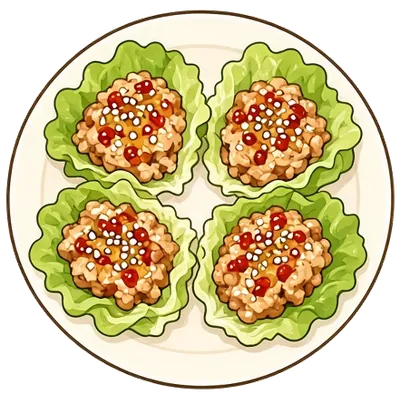
Ginger chicken lettuce cups
20 min
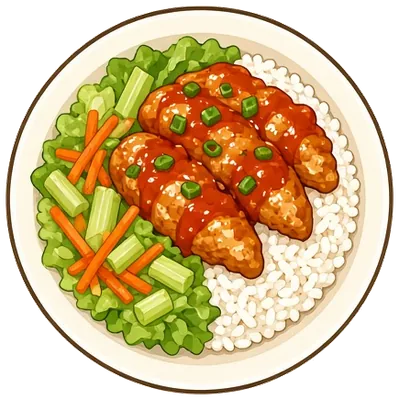
Buffalo chicken rice bowls
30 min
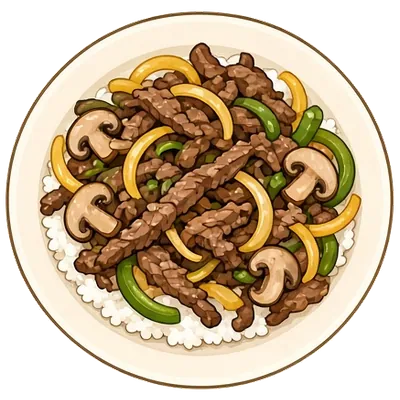
Philly cheesesteak rice bowls
25 min
Spicy tuna rice bowls
15 min
30-minute dinners ›High-protein dinners ›What to make with chicken and rice ›What to make with rice and bell peppers ›What to make with chicken and carrots ›