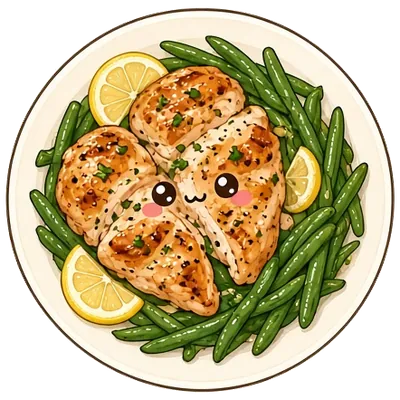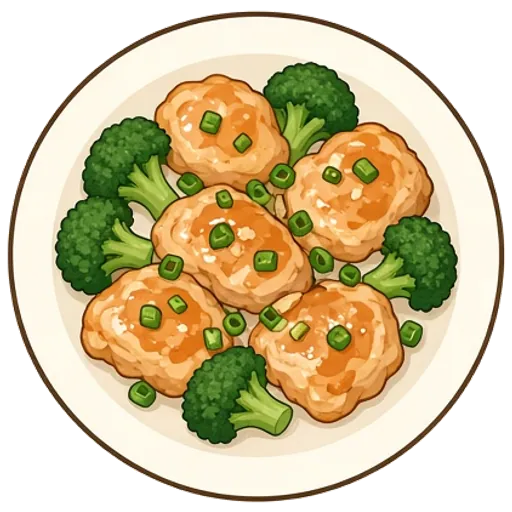
Sheet-pan honey garlic chicken
Sticky, sweet and savory chicken with roasted broccoli, all on one pan and mostly hands-off.
- 40 min total
- 10 min hands-on
- Anyone can make this
- Serves 2
- About $3.56 a serving
- 570 calories
- Good the next day
- Dairy-free

Dolly says: Make the full amount. It’s just as good for lunch the next day.
Ingredients
For 2 servings.
- 1 lb boneless chicken thighs
- 1 head broccoli, cut into florets
- 3 tbsp honey
- 3 cloves garlic, minced
- 2 stalks green onions, sliced (optional)
From your pantry
- 2 tbsp olive oil
- ¾ tsp salt
- ½ tsp black pepper
- ½ tsp garlic powder
- 2 tbsp soy sauce
- 1 tsp rice vinegar
- 1 pinch red pepper flakes (optional)
Each serving has about 570 calories, 51 g protein, 40 g carbs and 24 g fat, and costs about $3.56 at typical US grocery prices. Both are estimates from what the recipe uses.
Missing something?
- No boneless chicken thighs? Chicken breasts or chicken tenderloins work.
- No broccoli? Frozen broccoli works.
- No honey? Maple syrup works.
- No green onions? Chives work.
Steps
Tap an underlined word for a quick explanation.
the oven to 425°F and line a with .
Preheat. Preheating means turning the oven on before you start, so it’s fully hot when the food goes in. Food that starts in a cold oven cooks unevenly and doesn’t brown the same.
How you’ll know: The oven beeps or its light clicks off, usually 10 to 15 minutes after you turn it on.
Sheet pan. A sheet pan is a flat metal baking tray with a low rim all the way around. The rim catches juices, and the wide surface lets food spread out and brown.
How you’ll know: Everything fits in one layer with a little space between the pieces.
Parchment paper. Parchment paper is a nonstick, oven-safe paper for lining pans. Food lifts right off and cleanup is easy, but don’t swap in wax paper or put parchment under the broiler.
How you’ll know: It lies flat in the pan, and the food slides off when you lift it.
Cut the broccoli into bite-size florets and the chicken dry with paper towels.
Pat dry. Patting dry means pressing paper towels onto food to soak up the moisture on its surface. Wet food steams instead of browning, so this is how you get a good sear and crisp skin.
How you’ll know: The surface feels tacky, not wet, and the last paper towel comes away barely damp.
the chicken and broccoli on the with the oil, salt, pepper and garlic powder, then spread everything out with the chicken smooth side up.
Toss. Tossing means gently lifting and turning food so everything gets coated, like pasta in sauce or vegetables in oil. It coats every piece evenly without mashing anything.
How you’ll know: Every piece looks glossy or evenly coated, with no dry spots hiding underneath.
Sheet pan. A sheet pan is a flat metal baking tray with a low rim all the way around. The rim catches juices, and the wide surface lets food spread out and brown.
How you’ll know: Everything fits in one layer with a little space between the pieces.
 Dolly’s tip: Give every piece a little room. Space is what makes the broccoli edges go crispy instead of soggy.
15 minutes, until the chicken is starting to .
Roast. Roasting means cooking in a hot oven, around 400°F to 450°F, usually spread out on a sheet pan. The dry heat browns the outside and brings out sweetness, especially in vegetables.
How you’ll know: The edges are browned and a little crisp, and a fork slides easily into the thickest piece.
Brown. Browning means cooking until the outside turns brown, which is where a lot of savory flavor comes from. Give food room and time without stirring, or it steams and stays gray.
How you’ll know: The food looks brown rather than gray, and the kitchen smells toasty and savory.
Timer: 15 min
While it roasts, stir the honey, soy sauce, garlic, vinegar and pepper flakes together in a small bowl.
Spoon the sauce over the chicken and 8 to 10 minutes more, until it’s sticky, the thickest piece reads 165°F, and the broccoli edges are .
Roast. Roasting means cooking in a hot oven, around 400°F to 450°F, usually spread out on a sheet pan. The dry heat browns the outside and brings out sweetness, especially in vegetables.
How you’ll know: The edges are browned and a little crisp, and a fork slides easily into the thickest piece.
Crispy. Crispy means the outside is dry, firm and crunchy. It comes from high heat, a little oil and room in the pan, because crowded food steams and goes soft.
How you’ll know: It sounds crunchy when you tap or bite it, and it doesn’t flop when you lift it.
Timer: 9 min
Dolly’s tip: Dark spots at the edges of the sauce are flavor, not a mistake.Food safety: Chicken is done at 165°F in the thickest part. A thermometer is the only sure check. Without one, cut into the thickest piece: it should be white all the way through, with no pink.
Spoon the sticky pan juices over everything, scatter the green onions, and serve.

Plan this in Dollop, and get the grocery list
Dollop puts this dinner on a night that suits your week, lists only what you still need to buy, and walks you through each step while you cook.