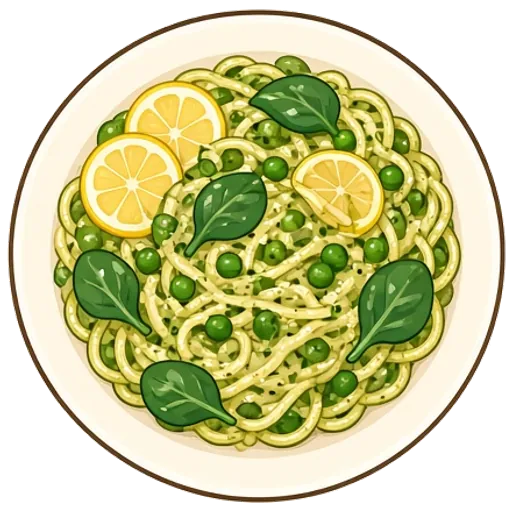
Pesto pasta with peas and spinach
Bright green, a little lemony and done in about 25 minutes, the weeknight pasta you’ll keep coming back to.
- 25 min total
- 15 min hands-on
- Anyone can make this
- Serves 4
- About $1.83 a serving
- 510 calories
- Vegetarian

Dolly says: I’d make this on a weeknight. It’s on the table in 25 minutes.
Ingredients
For 4 servings.
- 1 lemon, zested and halved
- 12 oz spaghetti
- 1 cup frozen peas
- 3 cups baby spinach
- ½ cup basil pesto
- ¼ cup grated parmesan, plus more for serving
From your pantry
- 1 tbsp salt, plus more to taste
- ¼ tsp black pepper
Each serving has about 510 calories, 17 g protein, 73 g carbs and 17 g fat, and costs about $1.83 at typical US grocery prices. Both are estimates from what the recipe uses.
Missing something?
- No lemons? Limes work.
- No spaghetti? Fettuccine works.
- No frozen peas? Frozen mixed vegetables work.
- No baby spinach? Kale or arugula works.
- No grated parmesan? Parmesan wedge works.
Steps
Tap an underlined word for a quick explanation.
Fill a large pot with water and bring it over high heat.
Bring to a boil. It means heating a liquid on high until it’s fully boiling before you move on. A lid on the pot gets it there faster, which makes it a good moment to chop something.
How you’ll know: Big bubbles break all over the surface, and they keep coming when you lift the lid.
High heat
While it heats, the lemon on the small holes of a grater, then cut it in half.
Zest. Zest is the thin, colored outer layer of citrus peel, rubbed off on the smallest holes of a grater. It holds the fruit’s fragrant oils, so it adds bright flavor without the sourness of juice.
How you’ll know: You see bright flecks and smell citrus right away; stop when you reach the white layer, which is bitter.
 Dolly’s tip: Stop when you see white under the yellow. The white part is bitter.
Add the salt and spaghetti to the water and cook, stirring now and then, until , about 1 minute less than the package says.
Boil. Boiling means heating a liquid until big bubbles rise and break all over the surface. It’s the fastest way to cook pasta, potatoes and eggs, because it’s as hot as water gets.
How you’ll know: Bubbles are breaking across the whole surface, not just at the edges, and steam is rising.
Al dente. Al dente is Italian for “to the tooth”: pasta cooked until tender but with a slight firm bite in the center. It holds up in sauce and keeps softening a little after you drain it.
How you’ll know: Bite a piece a minute before the package time: tender, with a slight firm bite in the middle and no crunch.
High heatTimer: 9 min
Add the frozen peas to the pot for the last minute of cooking.
High heatTimer: 1 min
Put the spinach in a colander in the sink. Scoop out 1 cup of , then the pasta and peas right over the spinach.
Reserve pasta water. It means scooping out a cup of the starchy cooking water before you drain the pasta. A splash helps the sauce cling and turn silky, and it’s the step everyone forgets.
How you’ll know: A mug of cloudy water is sitting by the stove before the pasta goes into the colander.
Drain. Draining means pouring off liquid, like tipping pasta into a colander or spooning extra fat out of the pan. Pour hot grease into a can or jar, not the sink, where it hardens and clogs the pipes.
How you’ll know: Only a few drips are left, and the food isn’t sitting in a puddle.
Dolly’s tip: The hot pasta wilts the spinach for you, so there’s no extra pan to wash.Tip everything back into the pot, off the heat. Add the pesto, lemon and ¼ cup and until glossy.
Zest. Zest is the thin, colored outer layer of citrus peel, rubbed off on the smallest holes of a grater. It holds the fruit’s fragrant oils, so it adds bright flavor without the sourness of juice.
How you’ll know: You see bright flecks and smell citrus right away; stop when you reach the white layer, which is bitter.
Reserve pasta water. It means scooping out a cup of the starchy cooking water before you drain the pasta. A splash helps the sauce cling and turn silky, and it’s the step everyone forgets.
How you’ll know: A mug of cloudy water is sitting by the stove before the pasta goes into the colander.
Toss. Tossing means gently lifting and turning food so everything gets coated, like pasta in sauce or vegetables in oil. It coats every piece evenly without mashing anything.
How you’ll know: Every piece looks glossy or evenly coated, with no dry spots hiding underneath.
Dolly’s tip: Pesto turns dull and oily over direct heat, so keep the burner off. Add more pasta water a splash at a time if it looks dry.Squeeze in the juice of half the lemon, add the parmesan and pepper, and again. Taste and add salt if it needs it.
Toss. Tossing means gently lifting and turning food so everything gets coated, like pasta in sauce or vegetables in oil. It coats every piece evenly without mashing anything.
How you’ll know: Every piece looks glossy or evenly coated, with no dry spots hiding underneath.
Serve with more parmesan on top.

Plan this in Dollop, and get the grocery list
Dollop puts this dinner on a night that suits your week, lists only what you still need to buy, and walks you through each step while you cook.
More dinners like this
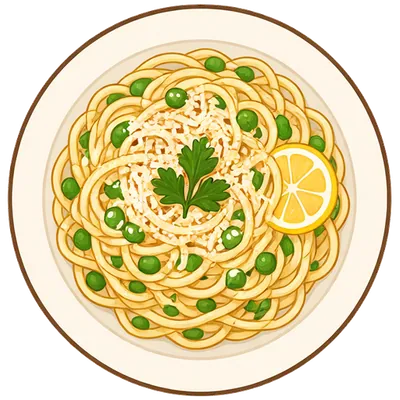
Garlicky spaghetti with peas and parmesan
20 min
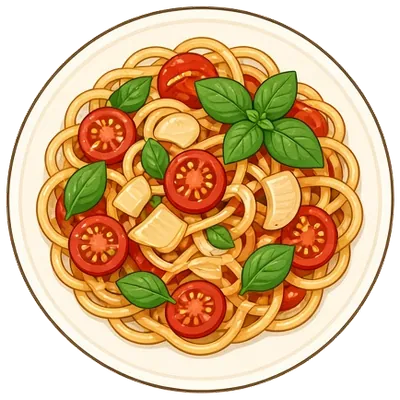
One-pot tomato basil pasta
30 min

Sopa de fideo (Mexican noodle soup)
25 min
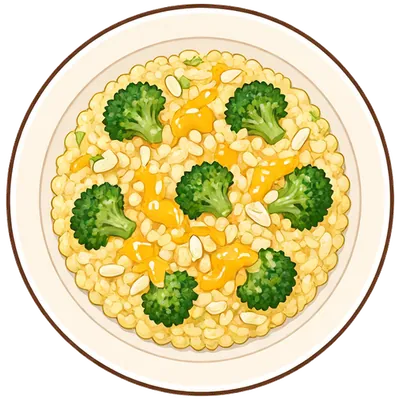
Cheesy broccoli orzo
25 min
30-minute dinners ›Vegetarian dinners ›What to make with pasta and parmesan ›What to make with pasta and spinach ›What to make with spinach and parmesan ›